
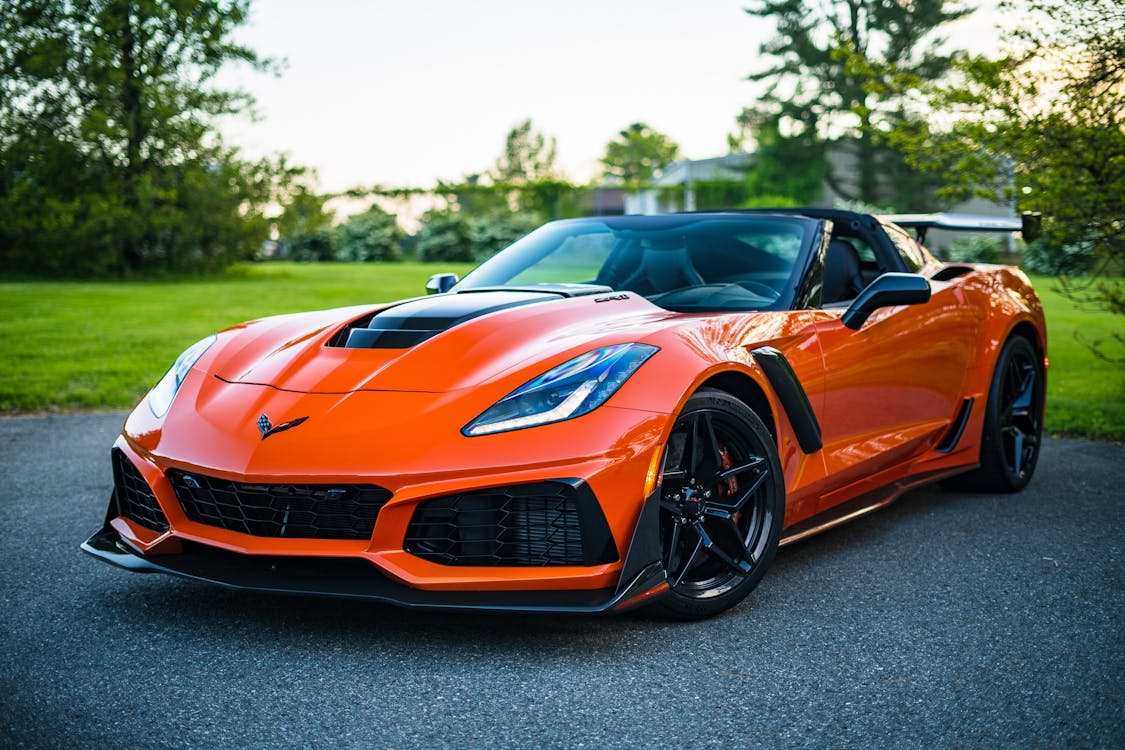
Buying a luxury car might feel like a milestone, a symbol that you’ve made it.
But before you get caught up in horsepower and leather trim, there are a few money questions worth asking. From insurance to depreciation to long-term costs, the numbers matter more than the badge.
This guide will help you think it through.
Should I Lease or Buy a Luxury Car?
Let’s start here.
Leasing usually means lower monthly payments, plus the thrill of driving something new every few years. But you don’t own the car, and mileage caps, wear-and-tear charges, and limited equity can sting.
Buying a luxury car, on the other hand, gives you ownership and the freedom to sell or trade later. But it also comes with a steeper upfront cost and faster depreciation.
Need a deeper breakdown? Check out our guide about leasing a car in 2025.
12 Questions to Ask Before You Sign Anything
Luxury cars turn heads, but they can also drain wallets fast. Ask these before you commit, so you know exactly what you’re signing up for.
1. What’s my total budget—not just the sticker price?
The list price is just the beginning. Add in sales tax, title, registration, dealer fees, and delivery charges. It’s easy to underestimate the full cost unless you’ve priced out every line item ahead of time.
2. Can I afford the down payment without draining savings?
A solid down payment (around 20%) helps you avoid upside-down loans. But don’t empty your emergency fund to afford it. Having cash reserves for unexpected expenses is just as important as the car itself.
3. What’s my monthly payment, including interest and extras?
Low advertised payments often exclude taxes, insurance, and interest. Get a full breakdown and be sure it fits comfortably within your monthly budget—ideally no more than 10–15% of your take-home pay.
4. What’s the cost of owning a luxury car per year?
Beyond payments, factor in fuel (usually premium), insurance, scheduled maintenance, and surprise repairs. Luxury ownership often brings luxury costs—expect annual expenses to be higher than with standard vehicles.
5. How fast will this car lose value?
Depreciation hits luxury cars hard, especially in the first three years. Research which models hold value better than others, or consider a certified pre-owned option to skip the steepest drop in value.
6. How expensive is insurance for this make and model?
Luxury cars cost more to repair and replace, which can spike premiums. Shop quotes early, and ask insurers about average claim costs for your chosen model before finalizing the purchase.
Check resources like NerdWallet’s auto insurance calculator for estimates.
7. What’s the average maintenance cost per year?
Specialized parts, imported components, and dealer-only service requirements can drive up maintenance costs. Budget at least $1,000–$2,000 annually for upkeep, more for performance or limited-edition models.
8. Will I need to use premium fuel?
Most luxury engines require higher-octane fuel for performance and longevity. That’s an extra cost at the pump, potentially hundreds more each year, depending on how often and how far you drive.
9. What’s the long-term resale or trade-in value?
Some luxury brands and trims retain value better than others. Look at resale history, demand trends, and how the market treats used models when they hit the 5–7 year mark.
10. Am I financially better off buying new or used?
New cars give you full warranty coverage and zero wear. Used cars (especially certified pre-owned) let someone else take the depreciation hit. Weigh peace of mind vs. price to see what makes sense.
11. Will this purchase delay other goals (like investing or travel)?
That down payment could be seed money for a business, investment property, or vacation fund. Make sure the car fits within your bigger picture and not just your monthly payment window.
12. Do I have a big-purchase budget in place?
If not, now’s the time. A structured budget helps you plan for the full cost of ownership. If you’re not sure where to start, check out How to Create a ‘Big Purchase’ Budget That Actually Works.
Is Buying a Luxury Car the Right Move?
The answer isn’t always a clear yes or no. It’s more about how the purchase fits into your bigger financial picture.
If you’ve crunched the numbers, considered the long-term costs, and it still aligns with your lifestyle and goals, then enjoy the ride. But if it feels like a stretch or delays other priorities, it might be smarter to wait or explore other options.