
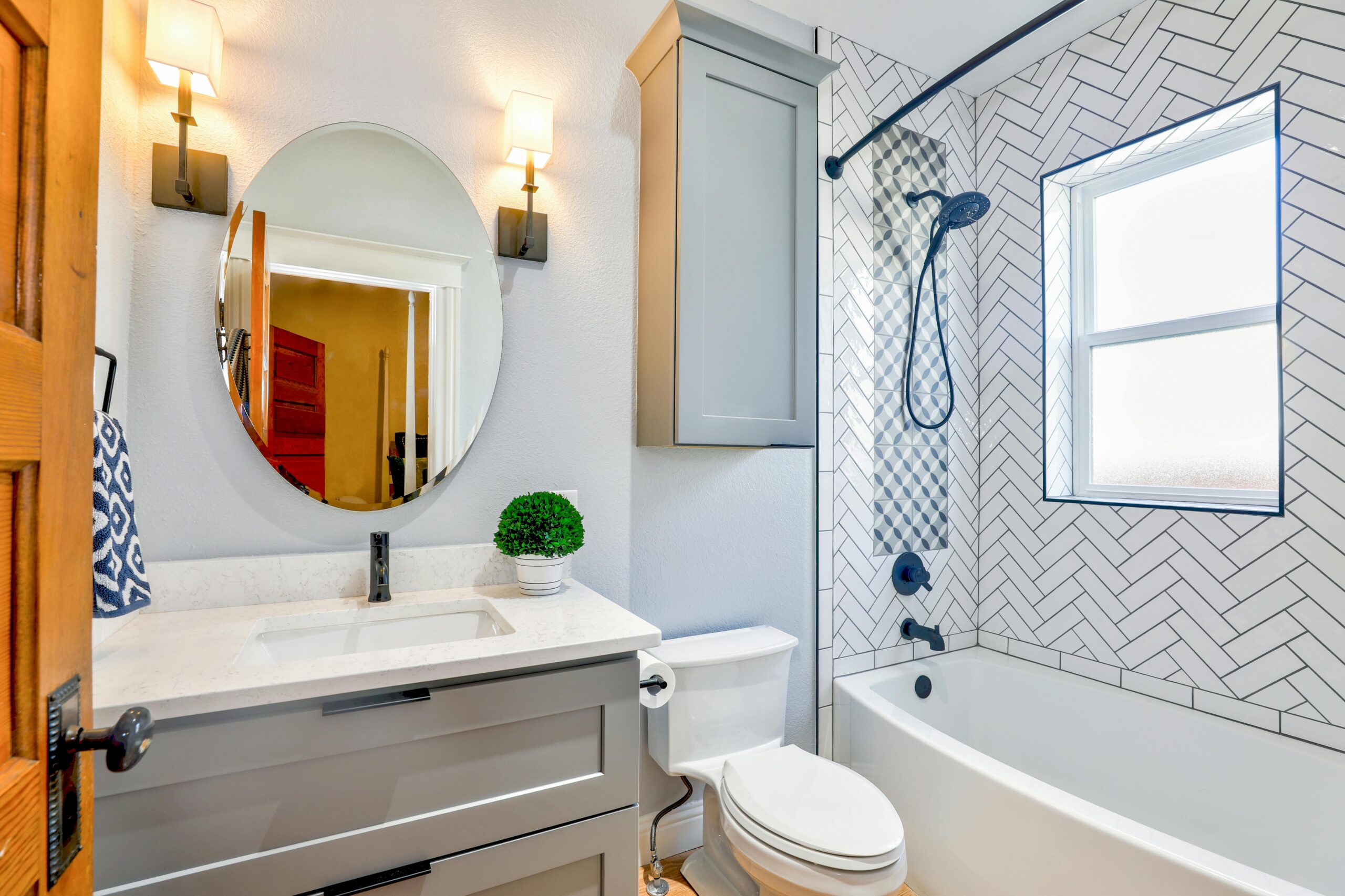
Bathroom makeovers can breathe new life into your home, but the bathroom renovation cost can catch you off guard. Between labor, materials, and unexpected issues behind the walls, it’s easy to spend far more than you planned.
Many homeowners start with a ballpark figure, only to watch it double. The key isn’t just picking tile and fixtures. It’s understanding where your money goes, what drives costs up, and how to stay in control from start to finish.
The Average Cost of a Bathroom Renovation
A full bathroom remodel in 2025 costs anywhere from $10,000 to $25,000 for a mid-range project. A basic remodel may come in closer to $5,000 to $8,000, while a high-end bathroom can top $30,000 or more.
Here’s what those dollars usually cover:
- Labor (40%–65% of the total cost)
- Fixtures (toilet, tub, sink, etc.)
- Flooring and tile
- Cabinets and countertops
- Plumbing and electrical updates
- Paint, trim, and finishes
Small changes like new paint, lighting, or faucets are cheaper. Full renovations—especially if you move plumbing—are where the costs climb.
Layout Changes = Big Price Tag
Keeping your current layout saves money. Moving the toilet or tub may seem small, but it can trigger major plumbing work. That means cutting through floors or walls, upgrading pipes, and paying more in labor.
If your layout works, keep it. Spend that extra money on nicer materials instead of hidden pipes.
Explore these bathroom floor plans from The Spruce for inspiration.
Where the Money Really Goes
Here’s a rough cost breakdown so you can see where your budget goes:
- Labor: $4,000 to $10,000
- Shower or tub: $1,000 to $5,000
- Vanity and sink: $500 to $4,000
- Toilet: $150 to $800
- Tile and flooring: $800 to $5,000
- Lighting: $100 to $1,000
- Plumbing or wiring: $500 to $3,000
- Paint, trim, mirrors: $200 to $1,000
Always pad your budget by 10%–20% for unexpected costs. Even with great planning, surprises happen.
What Causes Budget Surprises?
Water Damage
Once old materials come out, you might find rotted subfloors, mold, or leaky pipes. Fixing this is a must—and it’s not cheap. Repairs can add $500 to $2,000 or more.
Old Plumbing or Electrical
If your home is older, the plumber or electrician may need to bring things up to current code. That can include adding GFCI outlets, updating wiring, or replacing corroded pipes.
Custom Orders or Backorders
If you choose special-order tile, vanities, or fixtures, expect delays or added shipping fees. If something arrives broken or late, it could slow the whole project.
Scope Creep
This happens when your plan keeps growing mid-project. First, it’s just a new sink. Then it’s the faucet. Then a new mirror, then new lights. The more you add, the more it costs.
Stick to your plan to avoid this trap.
How to Stay on Budget
Set Priorities
Make a list of must-haves and nice-to-haves. Know what you care most about—whether it’s the tile, the tub, or the vanity—and focus your money there. Be ready to make trade-offs.
Get Detailed Estimates
Don’t accept vague bids. Ask for a line-by-line breakdown. Make sure it covers demo, labor, materials, fixtures, permits, and haul-away fees. A clear bid protects you from surprise charges later.
Choose Materials Early
Don’t wait until the job starts to pick tile or faucets. Late decisions cause delays and cost more. Order everything before demo begins so you know what you’re spending.
Build in a Cushion
Set aside at least 15% of your budget for surprises. If you don’t use it, great—but you’ll be glad it’s there if something goes wrong.
Work With a Licensed Pro
DIY can save money, but not always. If you make a mistake with plumbing or electrical, it can cost more to fix. Pros can spot problems early, get permits faster, and work more efficiently.
Just be sure to check references and licenses before hiring.
Check out our guide on How to Create a ‘Big Purchase’ Budget so you’ll know what you’re willing to splurge on and where you’re okay cutting costs.
Can You Renovate a Bathroom for Less?
Yes. If your space just needs a refresh—not a full gut—there are ways to save:
- Keep the existing layout
- Use a prefabricated shower or tub
- Paint the vanity instead of replacing it
- Install peel-and-stick floor tile or wall panels
- Replace just the faucet, mirror, or light fixture
Even these small upgrades can make a big difference for under $2,000.
Bathroom renovations can cost a lot—but they don’t have to catch you off guard. Know where the money goes. Plan ahead. Expect the unexpected. And don’t rush big decisions.
If you budget smart, hire the right help, and stick to your plan, your new bathroom will feel like a luxury—without leaving you drained.