Smart home tech is everywhere, but is it worth upgrading to smart thermostats and fixtures? From thermostats that learn your schedule to lights, outlets, and faucets you can control from your phone, these devices promise energy savings, convenience, and better comfort.
But do the benefits justify the cost, or are they just expensive gadgets?
Let’s break down what these smart upgrades do, how much they cost, and whether they actually pay off over time.
What Is a Smart Thermostat?
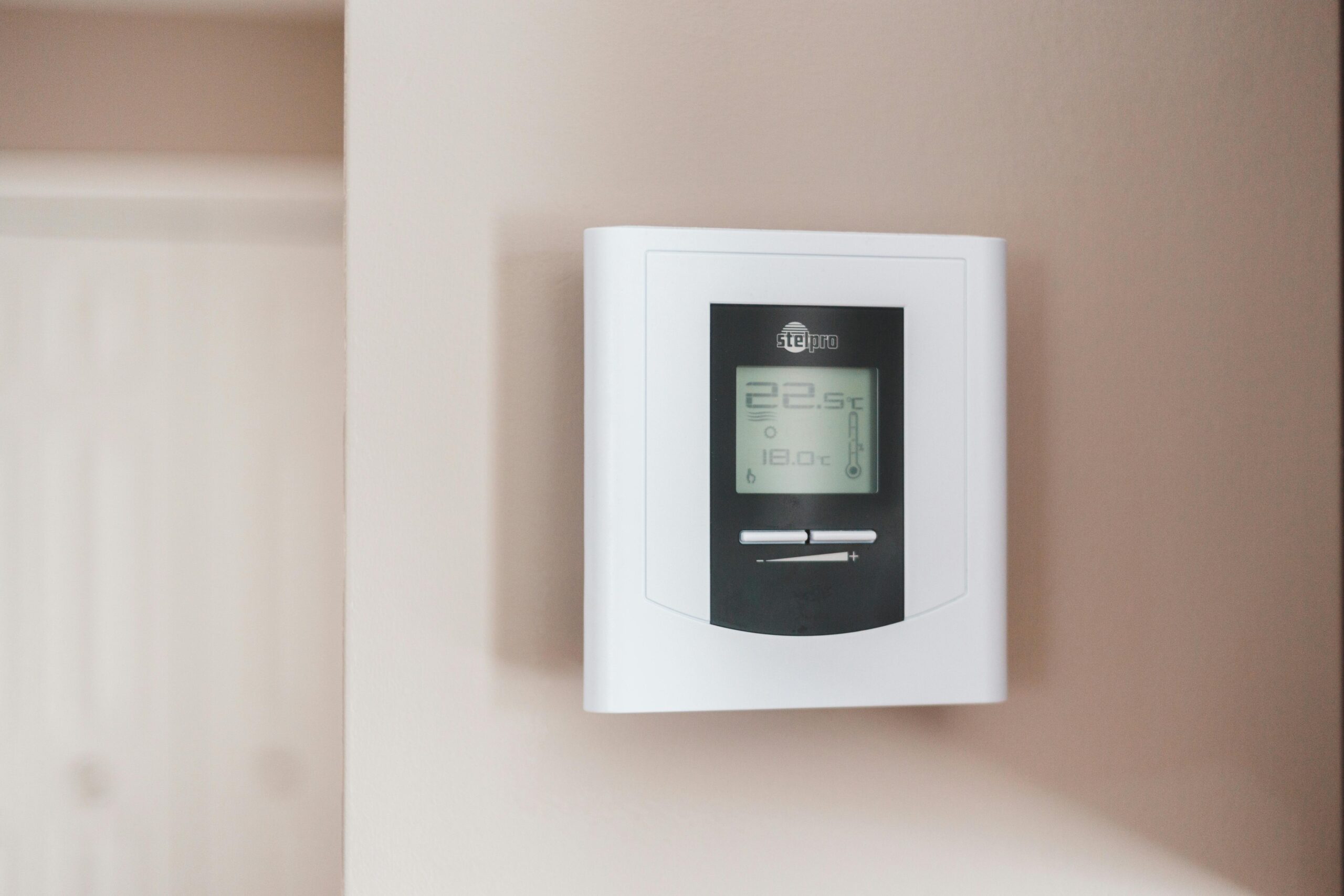
A smart thermostat connects to your home Wi-Fi and learns your schedule. It adjusts the temperature automatically to save energy when you’re away and keep you comfortable when you’re home.
You can control it with your phone, set schedules, and even connect it to voice assistants like Alexa or Google Assistant.
Popular models include the Google Nest, ecobee, and Amazon Smart Thermostat. Most cost between $100 and $250.
Do Smart Thermostats Save You Money?
Yes—if you use them the right way. According to the U.S. Department of Energy, turning your thermostat back 7 to 10 degrees for 8 hours a day can save up to 10% a year on heating and cooling.
Smart thermostats make this easy. They can:
- Turn down the heat while you sleep
- Turn off the AC when you’re at work
- Learn your habits and adjust automatically
These energy-saving thermostat strategies help you get the most out of your system. Nest claims its users save an average of 10% to 12% on heating and 15% on cooling. That could mean $100 to $150 a year for many households. Over a few years, the thermostat pays for itself.
What Are Smart Fixtures?
Smart fixtures include things like:
- Smart light bulbs and switches
- Smart plugs and outlets
- Smart showerheads and faucets
- Smart locks and doorbells
These connect to Wi-Fi and let you control them remotely or through a schedule. Some can adjust based on your behavior or time of day.
For example:
- Lights turn off when no one’s in the room
- Outlets shut off to stop wasting energy
- Faucets monitor water usage
- Showers pause water while you soap up
They’re built to add convenience, save energy, and reduce waste.
How Much Do Smart Fixtures Cost?
It depends on what you’re buying. Here are some rough price ranges:
- Smart bulbs: $10 to $40 each
- Smart plugs: $15 to $30
- Smart light switches: $30 to $60
- Smart faucets or showerheads: $100 to $500
- Smart locks and doorbells: $100 to $300
The cost adds up if you’re upgrading multiple rooms. But you don’t have to do it all at once. Many people start small—with one or two upgrades—and build from there. If you’re considering several devices, check out our guide on How to Create a ‘Big Purchase’ Budget.
Do Smart Fixtures Actually Save Money?
Some do. Others are more about convenience and control.
Smart lighting can cut electricity costs, especially if you often forget to turn off lights. When paired with motion sensors or schedules, they stop waste before it starts.
Smart plugs help reduce “phantom” energy drain from devices like TVs, game consoles, or microwaves. That’s when devices use power even when turned off. It’s a small savings, but it adds up over time.
Smart faucets and showerheads help cut water use—especially in households with kids or lots of guests. Some models even let you set time or temperature limits.
Just keep in mind: the savings won’t be massive. But combined with good habits, smart fixtures can reduce your monthly bills and help your home run more efficiently.
Other Benefits: Comfort, Safety, and Control
Money isn’t the only reason to go smart.
Smart thermostats and fixtures offer features that make life easier:
- Control your home from anywhere using your phone
- Get alerts if temperatures drop too low or lights are left on
- Lock your doors remotely or see who’s at the door
- Warm your house before you get home
- Dim lights without leaving the couch
These upgrades also make your home feel modern and may boost resale value, especially for buyers interested in tech features.
What About Installation?
Many smart thermostats and fixtures are easy to install yourself—especially smart bulbs and plugs. But smart thermostats may need professional help, depending on your wiring.
Expect to pay $75 to $200 for installation if you hire someone. Some energy companies even offer rebates or free installation to encourage energy savings.
Before you buy, check:
- Compatibility with your current system
- Wi-Fi strength in the area
- Whether you need a smart hub (some devices do, others don’t)
So, is it worth upgrading to smart thermostats and fixtures?
Yes, if:
- You want better control over your home
- You’re looking to save on energy or water
- You like the idea of automation and remote access
- You plan to stay in your home long enough to benefit
Maybe not right now, if:
- You’re on a tight budget
- You won’t use the features regularly
- Your home isn’t compatible without major upgrades
Smart upgrades aren’t magic—but when used right, they make your home more efficient, more comfortable, and a little smarter every day. Start small, see what fits your lifestyle, and build from there.